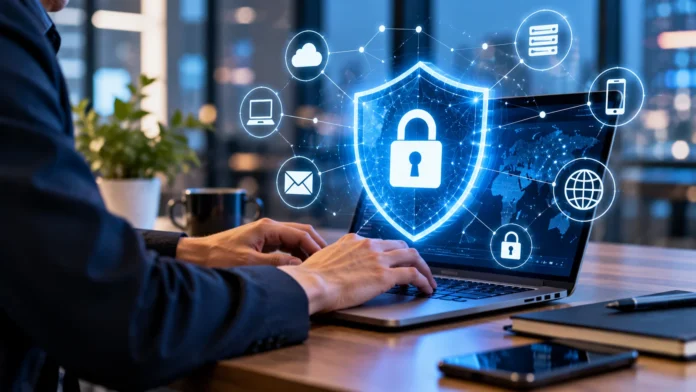

Cybersecurity safeguards are essential security measures designed to protect digital systems, sensitive information, and business operations from cyber threats. As organizations increasingly depend on technology, protecting networks, devices, and confidential data has become a critical responsibility. Understanding what cybersecurity safeguards are helps individuals and businesses reduce security vulnerabilities, prevent unauthorized access, and maintain a safer digital environment.
Cyber threats such as phishing, ransomware, malware, and data breaches can affect businesses of every size. Without appropriate protection, organizations may experience financial losses, operational disruptions, and damage to customer trust. Effective cybersecurity safeguards combine technical solutions, security policies, and employee awareness to create multiple layers of defense against potential attacks.
What Are Cybersecurity Safeguards?
Cybersecurity safeguards are protective controls, policies, and procedures used to defend computer systems, networks, and digital information against security risks. These measures help prevent unauthorized access, identify suspicious activities, and limit the consequences of cyber incidents. Organizations implement security safeguards to protect valuable information while maintaining the confidentiality, integrity, and availability of their digital resources.
Cybersecurity protection involves more than installing antivirus software or creating strong passwords. It requires a coordinated approach that addresses technological vulnerabilities, employee behavior, and organizational responsibilities. Security measures may include network monitoring, data encryption, access restrictions, employee training, and regular system updates to reduce potential exposure to cyber threats.
The purpose of cybersecurity safeguards is to establish a reliable defense against known and emerging security risks. Since no single security measure can eliminate every threat, organizations typically combine several protective controls. This layered security approach makes successful attacks more difficult and improves an organization’s ability to detect, respond to, and recover from security incidents.
Why Cybersecurity Safeguards Are Important
Cybersecurity safeguards are important because modern organizations store and process large amounts of sensitive information. Customer records, financial details, employee information, and confidential business documents require appropriate protection. Without reliable security measures, unauthorized individuals may gain access to valuable data, potentially causing financial damage, privacy violations, and serious operational problems.
Effective security controls also help businesses maintain customer confidence and protect their professional reputation. Customers expect organizations to handle personal information responsibly and prevent unnecessary exposure to security threats. A significant data breach can weaken business relationships, interrupt operations, and create expenses associated with investigation, recovery, and regulatory obligations.
Another important benefit involves maintaining business continuity during unexpected security incidents. Protective measures such as secure backups, access controls, and incident response procedures help organizations limit disruption and restore essential services. Businesses that invest in practical cybersecurity safeguards are generally better prepared to manage digital risks and maintain reliable operations.
Types of Cybersecurity Safeguards
Cybersecurity safeguards are commonly grouped into administrative, technical, and physical controls. Each category addresses different security concerns and contributes to an organization’s overall protection strategy. Understanding these classifications helps businesses identify weaknesses, distribute security responsibilities, and select appropriate measures for protecting their digital infrastructure and valuable information assets.
Administrative safeguards involve security policies, employee training, risk assessments, and organizational procedures. Technical safeguards include encryption, firewalls, identity verification, and security monitoring technologies. Physical safeguards protect equipment and facilities through controlled building access, secure storage areas, surveillance systems, and other measures that prevent unauthorized physical interaction with important technology resources.
Organizations should combine all three categories rather than depending exclusively on technical solutions. For example, encryption protects stored information, while employee training reduces preventable mistakes and physical access controls help protect servers. A balanced combination creates a stronger security environment by addressing risks associated with technology, people, and physical infrastructure.
Administrative Cybersecurity Safeguards
Administrative cybersecurity safeguards establish the policies and responsibilities that guide an organization’s security practices. These controls define how employees should handle confidential information, access company systems, and report suspicious activities. Clear administrative procedures create consistent expectations and help ensure that cybersecurity responsibilities are understood across different departments and management levels.
Security awareness training is an important component of administrative protection because employee actions can influence organizational security. Training programs help staff recognize phishing messages, suspicious requests, and unsafe information-sharing practices. Regular educational activities also reinforce the importance of secure passwords, responsible device usage, and timely reporting of potential cybersecurity incidents.
Other administrative safeguards include security audits, risk assessments, vendor reviews, and incident response planning. These activities help organizations identify potential vulnerabilities and determine which risks require immediate attention. Reviewing policies regularly allows businesses to respond to changing threats, evolving technologies, and updated operational requirements without relying on outdated security procedures.
Technical Cybersecurity Safeguards
Technical cybersecurity safeguards use software, hardware, and automated security technologies to protect digital resources. These controls help restrict unauthorized access, monitor suspicious behavior, and protect information during storage or transmission. Firewalls, endpoint protection tools, encryption systems, and identity management solutions are common examples of technical security measures used by organizations.
Multi-factor authentication is particularly valuable because it requires users to provide additional verification beyond a password. This extra security layer can reduce the likelihood that stolen credentials alone will enable unauthorized access. Organizations may also implement role-based access controls to ensure employees can use only the systems and information necessary for their responsibilities.
Other essential technical safeguards include vulnerability management, secure software configurations, and regular security updates. Monitoring tools can help identify unusual activity, while properly maintained backups support recovery following certain incidents. Technical controls work most effectively when organizations configure them correctly, monitor their performance, and maintain them as technology and threats evolve.
Physical Cybersecurity Safeguards
Physical cybersecurity safeguards protect the equipment, buildings, and infrastructure supporting digital operations. Although cybersecurity is often associated with online threats, unauthorized physical access can also compromise sensitive information. Computers, servers, networking equipment, and portable storage devices require appropriate protection to prevent theft, tampering, and unauthorized use.
Organizations can improve physical security through locked server rooms, visitor identification procedures, access badges, and monitored entry points. Sensitive equipment should be stored in controlled environments where access is limited to authorized personnel. These measures help prevent individuals from interfering with important systems or obtaining information through direct physical access.
Physical protection also involves preparing equipment for environmental and operational hazards. Appropriate fire protection, temperature management, and reliable power arrangements can help protect critical technology infrastructure. Combining these precautions with administrative and technical safeguards strengthens overall resilience and reduces the possibility that a physical incident will disrupt important digital services.
Data Protection and Encryption Safeguards
Data protection safeguards focus on keeping sensitive information secure throughout its lifecycle. Organizations collect, store, process, share, and eventually dispose of different types of information. Each stage presents potential security and privacy concerns, making it important to establish consistent procedures for handling confidential business records and personal data.
Encryption is a widely used protection method that transforms readable information into a protected format requiring an appropriate cryptographic key. Businesses can apply encryption to stored files, databases, and information transmitted across networks. When implemented and managed correctly, encryption helps reduce the risk of sensitive information being exposed through unauthorized access or interception.
Data classification, secure backups, and retention policies provide additional protection for organizational information. Businesses should identify sensitive records, limit unnecessary access, and establish procedures for securely deleting information when appropriate. Regular reviews of data handling practices help ensure that security measures remain aligned with operational needs and applicable privacy requirements.
Network Security Safeguards
Network security safeguards protect the communication systems connecting computers, servers, applications, and other devices. Business networks frequently exchange important information, making them potential targets for unauthorized access and malicious activity. Effective network protection helps organizations manage traffic, control connections, and reduce exposure to avoidable security vulnerabilities.
Firewalls are commonly used to filter network traffic according to established security rules. Network segmentation can also separate important systems from less sensitive environments, limiting unnecessary connections between different resources. Secure remote access arrangements and properly configured wireless networks provide additional protection for employees working from offices, homes, or other approved locations.
Network monitoring helps security teams identify unusual communication patterns and potential threats. Intrusion detection and prevention technologies may provide additional visibility into suspicious network behavior. However, these systems require appropriate configuration, maintenance, and investigation procedures to remain effective, particularly as organizations introduce new devices, applications, and network services.
Employee Training and Cybersecurity Awareness
Employee awareness plays an essential role in maintaining strong cybersecurity safeguards. Even well-protected organizations can experience security problems when staff members unknowingly interact with suspicious messages or disclose confidential information. Regular training helps employees recognize common threats and understand how their everyday decisions influence the security of business systems.
Effective cybersecurity education should explain phishing, social engineering, password security, and safe information sharing in understandable language. Employees benefit from practical examples that reflect realistic workplace situations rather than complicated technical explanations. Training should also identify appropriate reporting channels so staff members know how to respond when they notice potentially suspicious activity.
Organizations should reinforce cybersecurity awareness through regular reminders, updated guidance, and supportive reporting procedures. Encouraging employees to report possible mistakes promptly allows security teams to investigate problems before they escalate. A positive security culture treats cybersecurity as a shared responsibility rather than an issue handled exclusively by technical specialists.
Risk Assessment and Vulnerability Management
Cybersecurity risk assessments help organizations understand which digital assets require protection and what threats could affect them. The process involves identifying important systems, evaluating potential weaknesses, and considering the consequences of security incidents. This information allows businesses to prioritize protective measures according to their specific operational requirements and risk exposure.
Vulnerability management focuses on identifying and addressing weaknesses in software, hardware, configurations, and connected services. Organizations may use approved security scanning tools, configuration reviews, and professional assessments to discover potential problems. Findings should be evaluated carefully because the seriousness of a vulnerability depends on its exploitability, system importance, and surrounding security controls.
Risk management is an ongoing activity rather than a one-time cybersecurity project. New technologies, changing business processes, and emerging threats can introduce previously unrecognized vulnerabilities. Regular assessments, timely remediation, and documented security decisions help organizations maintain visibility into potential risks and allocate resources toward the most meaningful improvements.
Incident Response and Business Recovery Safeguards
Incident response safeguards help organizations prepare for security events that could disrupt operations or expose sensitive information. A documented response plan identifies responsibilities, communication procedures, and steps for assessing potential incidents. Clear preparation enables security personnel and business leaders to coordinate their actions when suspicious activity or a confirmed security problem occurs.
Effective incident response generally involves identifying the event, containing its effects, investigating what happened, and restoring affected services safely. Organizations should preserve relevant information and communicate with appropriate stakeholders according to their responsibilities. The specific response depends on the incident’s nature, business impact, legal obligations, and technical circumstances.
Recovery planning supports business continuity when important systems become unavailable. Secure backups, tested restoration procedures, and alternative operational arrangements help organizations restore critical functions. Reviewing incidents afterward also provides opportunities to identify weaknesses, improve security policies, and strengthen preparedness for future disruptions that could affect organizational stability.
How to Implement Cybersecurity Safeguards in a Business
Implementing cybersecurity safeguards begins with understanding the organization’s digital environment and essential business activities. Businesses should identify important devices, applications, information assets, and external services before selecting protective measures. This initial review helps reveal where sensitive information is stored, who requires access, and which operational functions depend on reliable technology.
The next step involves establishing practical security priorities based on identified risks and available resources. Common starting points include multi-factor authentication, software updates, secure backups, access management, and employee awareness training. Businesses should also assign clear security responsibilities and document essential procedures to ensure that protective measures are maintained consistently.
After implementing controls, organizations should evaluate whether those safeguards actually work as intended. Regular reviews, approved security testing, and performance monitoring can reveal weaknesses requiring improvement. Cybersecurity should remain part of ongoing business management because protective measures must adapt as systems, employees, customer expectations, and external threats change.
Common Cybersecurity Safeguard Mistakes to Avoid
One common cybersecurity mistake involves assuming that installing security software provides complete protection. Antivirus tools and firewalls are valuable, but they cannot independently address every technological or organizational risk. Businesses that neglect employee training, access management, and recovery planning may remain vulnerable despite investing in expensive security products.
Another frequent problem is allowing outdated software, unnecessary permissions, and weak authentication practices to remain unchanged. These weaknesses can increase exposure to unauthorized access and security incidents. Organizations should review user accounts regularly, remove unneeded access, and maintain clear procedures for applying important security updates across supported systems.
Some businesses also develop security policies without checking whether employees understand or follow them. Complicated procedures and unclear responsibilities can reduce the effectiveness of otherwise reasonable safeguards. Establishing practical expectations, providing appropriate support, and regularly evaluating security performance helps organizations avoid these mistakes and maintain stronger protection.
Conclusion
Cybersecurity safeguards are essential measures that help individuals and organizations protect digital information, technology systems, and everyday operations. Administrative, technical, and physical controls work together to reduce exposure to cybersecurity threats. Understanding how these protective measures function allows businesses to develop security strategies that reflect their operational needs and potential risks.
Effective cybersecurity protection requires continuous attention rather than occasional improvements. Security awareness training, access controls, encryption, risk assessments, and incident response planning each contribute to a stronger defense. Organizations should regularly evaluate their existing safeguards and improve them as technology, business processes, and potential threats continue to evolve.
The most successful cybersecurity strategies combine appropriate technology with responsible human behavior and clear organizational procedures. Although no security system can guarantee complete protection, well-managed safeguards significantly improve an organization’s ability to prevent, detect, and respond to many common threats. Building these protections into everyday business operations supports long-term security and resilience.
Frequently Asked Questions
What Are Cybersecurity Safeguards in Simple Terms?
Cybersecurity safeguards are tools, policies, and procedures that protect computers, networks, and sensitive information from digital threats. Common examples include strong authentication, encryption, firewalls, employee training, and secure backups.
What Are the Three Main Types of Cybersecurity Safeguards?
The three main categories are administrative, technical, and physical safeguards. Administrative controls establish policies, technical controls protect digital systems, and physical controls prevent unauthorized access to equipment and facilities.
Why Are Cybersecurity Safeguards Important for Businesses?
Cybersecurity safeguards help businesses protect confidential information, reduce operational disruptions, and maintain customer trust. They also support compliance efforts and improve preparedness for security incidents that could affect essential services.
What Are Examples of Technical Cybersecurity Safeguards?
Examples include firewalls, encryption, multi-factor authentication, endpoint protection, and intrusion detection systems. These technologies help businesses control access, protect information, and identify suspicious activities across their digital environments.
How Can Small Businesses Improve Their Cybersecurity Safeguards?
Small businesses can begin with multi-factor authentication, regular software updates, secure backups, employee training, and limited user permissions. Periodic security reviews help identify additional risks and guide improvements within available budgets.