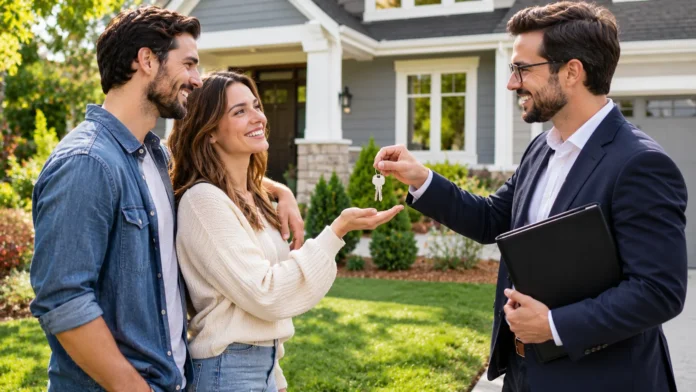

Selling a house can feel overwhelming, especially when you need to find a buyer quickly. From choosing the right asking price to preparing your property for showings, several factors influence how long your home stays on the market. Fortunately, practical selling strategies can improve your chances of attracting serious buyers without unnecessary delays.
If you are wondering how to sell your house fast, the key is combining competitive pricing, effective marketing, and thoughtful property preparation. Small improvements can make your home more appealing, while professional guidance can help you navigate offers and negotiations confidently.
1. Set a Competitive Asking Price From the Start
Setting the right asking price is one of the most important steps when selling your house quickly. An overpriced property may discourage potential buyers before they schedule a viewing. Research comparable homes recently sold in your neighborhood to understand realistic market values. Consider property size, condition, location, and available amenities when evaluating prices.
A comparative market analysis can help you determine an appropriate listing price. Real estate professionals typically examine recent sales, active listings, and local market conditions. This information provides a stronger foundation than relying on personal expectations. A competitive price may attract more interested buyers and encourage earlier offers.
Avoid choosing an unusually low asking price simply to generate attention. Although lower prices can increase interest, they may not deliver the outcome you want. Consider your financial needs and expected selling expenses before making decisions. The goal is to attract qualified buyers while protecting your property’s value.
2. Improve Your Home’s Curb Appeal
Your home’s exterior creates the first impression for potential buyers. A neat entrance, maintained lawn, and clean driveway can make your property more welcoming. Remove unnecessary items from outdoor areas and address visible maintenance concerns. Simple improvements can encourage buyers to explore the rest of your home.
Consider refreshing the front door, trimming overgrown plants, and cleaning exterior surfaces. Small landscaping improvements may also enhance the property’s overall appearance. You do not need an expensive renovation to create a positive first impression. Focus on visible details that improve cleanliness and basic presentation.
Outdoor lighting can make your entrance appear more inviting during evening appointments. Ensure walkways are accessible and remove objects that create unnecessary obstacles. If you have a porch or patio, arrange furniture to demonstrate its practical use. These adjustments help buyers appreciate the property’s exterior features.
3. Declutter and Deep Clean Every Room
A clean, organized home allows buyers to focus on the property rather than personal belongings. Start by removing unnecessary furniture, decorations, and items from crowded surfaces. Organize storage spaces because buyers often examine closets and cabinets. Creating clear pathways also makes rooms easier to explore during showings.
Deep cleaning is equally important when preparing a house for sale. Pay attention to kitchens, bathrooms, floors, windows, and frequently touched surfaces. Remove unpleasant odors and address visible stains whenever possible. A well-maintained environment can help buyers feel more comfortable evaluating the home’s condition.
Consider temporarily storing belongings that make rooms difficult to navigate. Avoid hiding clutter inside cabinets because organized storage remains an important selling feature. Keep essential household items accessible while maintaining a tidy appearance. This preparation can also make your eventual move easier to manage.
4. Make Small Repairs Before Listing Your House
Minor maintenance problems can create unnecessary concerns for potential buyers. Leaking faucets, loose handles, damaged fixtures, and faulty switches may suggest neglected maintenance. Walk through your property and identify issues that can be addressed safely. Handling small repairs before listing may reduce objections during viewings.
Prioritize repairs that affect safety, everyday function, and visible property condition. Fix broken doors, replace damaged hardware, and address plumbing concerns when necessary. Hire qualified professionals for electrical, structural, or complicated maintenance work. Proper repairs may also help prevent difficulties during a buyer’s home inspection.
Avoid beginning expensive renovations without considering their potential return. Major improvements do not always increase the sale price enough to recover their cost. Compare repair expenses with local buyer expectations and market conditions. Strategic maintenance can improve your home’s presentation without significantly increasing selling costs.
5. Stage Your Home to Attract Potential Buyers
Home staging involves arranging furniture and decorative elements to highlight a property’s features. The objective is to help buyers understand how different rooms can function. Position furniture to maintain comfortable movement and showcase available space. Simple arrangements can make online photographs and in-person viewings more appealing.
Choose neutral decorations and remove highly personal items when practical. Buyers may find it easier to imagine their own belongings in a versatile setting. Use natural light, clean textiles, and thoughtfully placed furniture to create an inviting atmosphere. Avoid overcrowding rooms with unnecessary accessories.
Professional staging may be useful for vacant homes or properties with challenging layouts. However, homeowners can also make improvements using existing furniture and affordable accessories. Consider whether staging costs are appropriate for your expected selling price. Effective presentation should support the property’s strengths rather than conceal important problems.
6. Use Professional Real Estate Photography
Most buyers begin searching for properties online, making listing photographs extremely important. Clear images help potential buyers understand a home’s layout, condition, and main features. Poor lighting or unclear photographs may reduce interest in an otherwise appealing property. High-quality visuals can encourage more people to explore your listing.
Schedule photographs after completing cleaning, repairs, and staging. Open curtains to allow natural light and remove distracting items from visible surfaces. Capture important rooms, outdoor spaces, and distinctive property features. Accurate images should represent the home’s actual appearance without misleading editing.
Professional real estate photographers understand lighting, composition, and suitable camera angles. Their experience can improve how rooms appear in listing photographs. If your budget is limited, use a capable camera and prioritize natural lighting. Whatever approach you choose, make sure images are sharp, realistic, and informative.
7. Write a Compelling Property Listing Description
A well-written listing description helps buyers quickly understand what makes your property appealing. Begin with essential details such as the number of bedrooms, bathrooms, and available living spaces. Highlight practical features, including renovated kitchens, outdoor areas, or useful storage. Keep descriptions accurate and easy to understand.
Focus on benefits that matter to your likely buyers. For example, a home office may appeal to remote workers, while convenient transportation access may interest commuters. Mention important neighborhood amenities when the information is accurate. Avoid exaggerated promises or statements that could misrepresent the property.
Use concise sentences and organize details logically for online readers. Include relevant property information rather than relying on vague promotional language. Check spelling, measurements, and feature descriptions before publishing. An informative real estate listing can help attract buyers whose needs match your home.
8. Market Your House Across Multiple Platforms
Effective marketing increases the number of people who can discover your property. List your home on established real estate websites that serve your local market. Include professional photographs, accurate property details, and useful contact information. Wider visibility may increase inquiries from potential buyers.
Social media can provide additional exposure for your property listing. Share appealing photographs and concise descriptions through suitable community groups or professional property pages. Encourage interested buyers to contact the appropriate representative for further information. Keep personal contact details and private household information protected.
A real estate agent may also promote your property through professional networks and buyer databases. Combining online exposure with traditional marketing can reach different audiences. Monitor inquiries to understand which channels generate meaningful interest. Focus on marketing methods that connect you with qualified prospective buyers.
9. Work With an Experienced Real Estate Agent
An experienced real estate agent can provide valuable guidance throughout the selling process. Agents may help determine pricing, prepare listings, arrange showings, and communicate with buyers. Their knowledge of neighborhood conditions can support better decisions. Choosing the right professional may also reduce administrative complications.
Interview potential agents before selecting someone to represent your property. Ask about recent local sales, marketing methods, communication practices, and professional fees. Request an explanation of how they would position your home competitively. A clear selling strategy is more useful than unrealistic promises.
Discuss your preferred selling timeline and any important financial considerations. An effective agent should explain market conditions and provide realistic expectations. Review the listing agreement carefully before signing. Understanding the agent’s responsibilities and compensation helps establish a productive working relationship.
10. Be Flexible With Home Showings
Making your home available for viewings can increase opportunities to connect with serious buyers. Some people may have limited time because of work or other commitments. Offering reasonable appointment options can make scheduling easier. A flexible approach may help prevent interested buyers from moving on.
Prepare a simple routine for keeping your property ready for showings. Maintain clean surfaces, organize frequently used items, and ensure rooms are appropriately lit. Keep pets safely managed during appointments when necessary. Good preparation reduces last-minute stress and helps maintain a welcoming environment.
Discuss scheduling expectations with your real estate agent or property representative. Establish appropriate notice periods and protect your household’s privacy throughout the process. Virtual tours may also help buyers assess the property before visiting. Combining accessibility with reasonable boundaries supports a smoother showing experience.
11. Consider a Pre-Listing Home Inspection
A pre-listing inspection can identify potential problems before buyers begin evaluating your property. Qualified inspectors examine accessible systems and structural components within the scope of their service. Their findings may reveal maintenance concerns requiring attention. Discovering these issues early can help you prepare for negotiations.
Not every property needs a pre-listing inspection, so consider the local market and associated costs. Older homes or properties with known maintenance concerns may benefit from additional evaluation. Discuss the advantages and limitations with a qualified professional. Remember that buyers may still request their own inspections.
If an inspection reveals significant concerns, evaluate repair options and disclosure obligations carefully. Keep documentation for completed work and communicate relevant property information accurately. Concealing known defects can create legal and financial complications. Transparent preparation may help reduce surprises during the transaction.
12. Offer Attractive but Reasonable Buyer Incentives
Buyer incentives can make a property more appealing in competitive housing markets. Depending on local rules and financing requirements, sellers may contribute toward certain closing costs or offer included appliances. Such arrangements can reduce specific expenses for buyers. However, incentives should support your financial objectives.
Before offering concessions, calculate their effect on your expected proceeds. A contribution toward closing expenses may attract attention but still reduces the money you receive. Compare different offers based on their complete financial terms. Your real estate agent can explain which incentives are commonly used locally.
Consider whether simple conveniences might also improve buyer interest. Flexible possession dates or included household fixtures may appeal to certain purchasers. Avoid making promises that create unnecessary obligations or complications. A thoughtful incentive should benefit the transaction without undermining your priorities.
13. Review Buyer Offers Carefully and Respond Quickly
Receiving an offer is an important milestone, but the proposed price is only one consideration. Review financing conditions, deposit arrangements, inspection contingencies, and expected closing dates. A strong offer should also demonstrate a reasonable likelihood of completion. Understanding these details helps you compare buyers effectively.
Responding promptly can maintain buyer interest and keep negotiations moving. However, avoid accepting unfavorable terms simply because you want a quick sale. Ask questions about uncertain conditions and request clarification when necessary. Professional guidance can help you understand the financial and practical implications.
A buyer with suitable financing and fewer complicated conditions may offer greater transaction certainty. Still, every offer carries some level of risk until closing is complete. Compare the full terms rather than focusing exclusively on the highest price. Careful negotiations can support both speed and financial confidence.
14. Prepare Your Documents to Avoid Closing Delays
Selling a home involves several documents related to ownership, financing, disclosures, and the transfer process. Gathering paperwork early can reduce unnecessary delays later. Locate property ownership records, relevant permits, warranties, and maintenance documentation. Requirements differ by location, so confirm which records are necessary.
If your home has an outstanding mortgage, contact your lender about the payoff process. You may also need information about property taxes, homeowners association obligations, or existing liens. Addressing unresolved issues early can make closing easier. Qualified legal or property professionals can explain jurisdiction-specific requirements.
Keep important documents organized and accessible throughout the transaction. Review agreements carefully before signing and ask questions about unfamiliar conditions. Make sure information supplied to buyers is accurate and consistent. Good documentation helps the parties coordinate inspections, financing, and ownership transfer with fewer interruptions.
15. Explore Alternative Selling Options When Time Is Limited
Traditional property listings are not the only option for homeowners seeking a quick sale. Depending on the market, you may encounter cash buyers, property investors, or companies purchasing homes directly. These buyers sometimes offer shorter transaction timelines. However, their proposed prices and conditions can differ significantly.
Compare alternative offers with the estimated proceeds from a conventional sale. Some investors purchase properties in their current condition, potentially reducing preparation expenses. Nevertheless, convenience may come with a lower purchase price. Verify buyer credibility, proof of funds, fees, and contract terms before committing.
Be cautious of pressure tactics, unusual payment arrangements, or requests for unnecessary personal information. Consult a qualified real estate attorney or another suitable professional when reviewing unfamiliar agreements. A fast transaction should still protect your financial interests. Choosing the right selling method depends on your circumstances and priorities.
Conclusion
Understanding how to sell your house fast begins with preparing your property, choosing a competitive asking price, and reaching the right buyers. Clean rooms, appealing photographs, accurate descriptions, and effective marketing can improve buyer interest. Each step contributes to a more organized selling experience.
Working with qualified professionals and responding efficiently to inquiries can also support a smoother transaction. However, selling quickly should not mean ignoring important contract details or financial considerations. Review offers carefully, understand your obligations, and plan for potential delays.
The best home-selling strategy depends on your property’s condition, local market, financial goals, and preferred timeline. Start with practical improvements and prioritize activities that provide meaningful value. With careful planning and realistic expectations, you can improve your chances of achieving a successful sale.
Frequently Asked Questions (FAQs)
What is the fastest way to sell a house?
Competitive pricing, effective marketing, and a well-presented property can help attract buyers quickly. Cash buyers may offer shorter timelines, but sellers should compare prices, verify funding, and review contract conditions carefully.
How can I sell my house fast without lowering the price?
Improve curb appeal, clean thoroughly, use professional photographs, and expand your marketing reach. Flexible showings and accurate property descriptions may also increase buyer interest without immediately reducing your asking price.
Should I renovate my house before selling it?
Major renovations are not always necessary before selling. Focus on important maintenance, visible repairs, and affordable improvements that buyers value. Compare renovation expenses with likely benefits before committing to costly projects.
What makes a house sell faster than others?
Competitive pricing, desirable location, good condition, strong marketing, and favorable market conditions can contribute to faster sales. Buyer financing, property availability, and straightforward transaction terms also influence the selling timeline.
Can I sell my house quickly without a real estate agent?
Yes, homeowners can sell directly to buyers or investors, depending on local regulations. However, managing pricing, marketing, negotiations, contracts, and legal requirements independently requires preparation and careful attention to transaction details.